Fall Home Maintenance Checklist: What Every Connecticut Homeowner Should Do Before Winter
Why Fall Maintenance Matters So Much in Connecticut
I have been working on Connecticut homes for nearly 40 years, and every single spring I see the same thing: homeowners calling with problems that could have been prevented the previous fall. Ice dams that ripped off gutters. Water damage from a gap around a window that went unsealed. Rotted trim from leaves piled against the foundation all winter.
A few hours of attention in September and October can save you thousands in spring repairs. Here is the checklist I follow on my own home — and what I recommend to every customer.
Exterior Checklist
1. Inspect Your Paint and Siding
Walk around your entire house and look closely at the paint. Pay special attention to:
- South and west-facing walls — these take the most sun and weather punishment
- Around windows and doors — water collects at these joints
- Near the foundation — splash-back from rain erodes paint at the base of walls
- Under eaves and overhangs — moisture gets trapped in these shaded areas
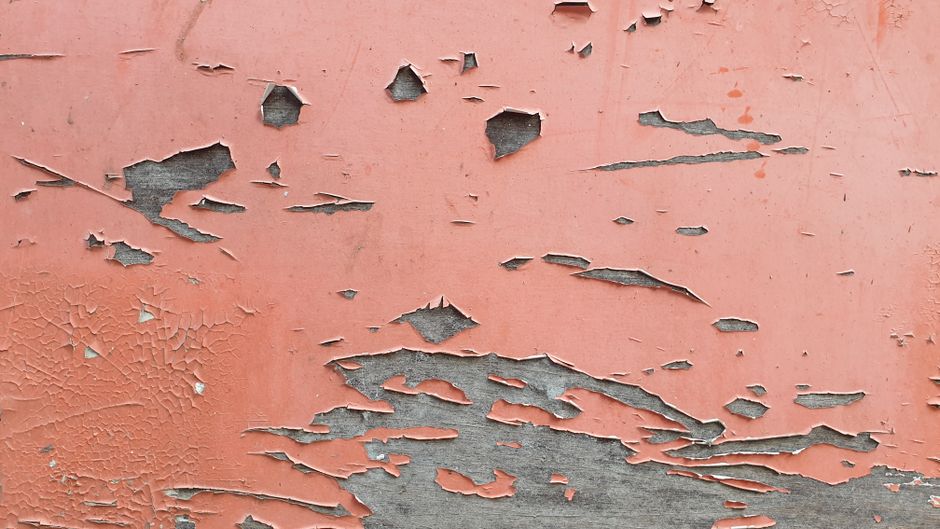
If you spot peeling, cracking, or bare wood, now is the time to address it — not next spring. Exposed wood going into a Connecticut winter will absorb moisture, freeze, and split. A small touch-up in September prevents a major repair in April.
2. Clean and Inspect Your Gutters
This is the single most important thing on this entire list. Clogged gutters cause:
- Ice dams — water backs up under shingles and leaks into your attic and walls
- Foundation damage — overflowing water pools at your foundation
- Fascia rot — standing water in gutters destroys the wood behind them
- Siding damage — water cascading over gutters runs down your siding
Clean them out after the majority of leaves have fallen (usually late October to mid-November in Connecticut). Check that downspouts are clear and directing water at least 4 to 6 feet away from your foundation.
If you are tired of cleaning gutters twice a year, gutter covers are worth considering. We install them, and homeowners who get them consistently tell me it was one of the best investments they have made.
3. Check Your Roof
You do not need to climb up there — use binoculars from the ground or take photos with your phone zoomed in. Look for:
- Missing, cracked, or curling shingles
- Damaged or lifted flashing around chimneys, vents, and skylights
- Dark streaks or moss growth (indicates moisture retention)
- Sagging areas along the ridge or between rafters
Any of these issues should be addressed before winter. A small roof repair now costs a fraction of the water damage a leak causes over a Connecticut winter.
4. Seal Gaps and Cracks
Grab a tube of quality exterior caulk and walk the perimeter of your house. Seal any gaps you find around:
- Window and door frames
- Where siding meets trim
- Around exterior light fixtures and outlets
- Where pipes or cables enter the house
- At the junction of the foundation and siding
These gaps let in cold air (raising your heating bills) and moisture (which causes rot and mold). A $6 tube of caulk can prevent hundreds of dollars in damage.
5. Power Wash Before Winter
A fall power wash removes the dirt, pollen, mildew, and salt buildup from the warmer months. This is especially important if you live near the coast, where airborne salt accelerates paint and surface deterioration.
Power washing in fall also lets you see the true condition of your siding and paint once it is clean — problems that dirt was hiding become visible.
6. Trim Trees and Vegetation
Cut back any branches that hang over your roof or touch your siding. In winter, heavy snow and ice can bring branches down onto your home. Year-round, branches touching your house trap moisture and create pathways for insects.
Also pull back any bushes, shrubs, or ground cover that touches the siding. You want at least 12 inches of clearance between vegetation and your home for airflow and to prevent moisture buildup.
Interior Checklist
7. Check and Replace Weather Stripping
Run your hand around the edges of exterior doors and operable windows. If you feel drafts, the weather stripping has likely compressed or deteriorated. Replacing it is cheap and easy, and it makes a noticeable difference in comfort and heating costs.
8. Test Your Heating System
Turn on your furnace or boiler before you actually need it. Run it for an hour and make sure it is heating properly, listen for unusual sounds, and check that all vents or radiators are functioning. Schedule a professional tune-up every other year at minimum.
Change your furnace filter if you have not done so in the last 3 months.
9. Inspect Interior Paint in High-Moisture Areas
Check the ceilings and walls in bathrooms, kitchens, and laundry rooms. If you see peeling paint, bubbling, or dark spots, you likely have a moisture issue that needs attention before you button up the house for winter.
Make sure bathroom exhaust fans are working properly — they are your first defense against moisture damage in winter when windows stay closed.
10. Reverse Ceiling Fans
Most ceiling fans have a small switch on the motor housing that reverses the blade direction. In winter, run fans clockwise on low speed. This pushes warm air that collects at the ceiling back down into the room, reducing heating costs.
Outdoor Prep
11. Drain and Store Hoses
Disconnect garden hoses from exterior spigots and drain them. If your home has frost-free hose bibs, make sure the hose is disconnected so the anti-freeze mechanism can work. If you have traditional spigots, shut off the interior supply valve and open the exterior faucet to drain any remaining water.
Frozen pipes that burst inside walls are one of the most expensive repairs I see Connecticut homeowners deal with — and one of the most preventable.
12. Check Your Deck and Outdoor Structures
Look at your deck for signs of wear:
- Splintering or cracking boards
- Loose railings or balusters
- Fading or peeling stain
Fall is actually ideal for deck staining or sealing in Connecticut. Temperatures are moderate and humidity is lower, which means the stain cures well and will protect your deck through winter and into next year.
The Priority Short List
If you cannot do everything, focus on these five things — they prevent the most expensive problems:
- Clean your gutters (prevents ice dams and water damage)
- Seal gaps around windows and doors (prevents moisture intrusion and saves on heat)
- Address any peeling paint or exposed wood (prevents rot over winter)
- Check your roof for damage (prevents leaks)
- Disconnect hoses and protect pipes (prevents burst pipes)
Need Help Getting Ready for Winter?
We handle many of these tasks for Connecticut homeowners — painting touch-ups, power washing, gutter cleaning, gutter cover installation, and deck maintenance. If your fall to-do list feels overwhelming, we can take care of the exterior items so you can focus on everything else.
Need Help With Your Project?
Our team has been improving homes across Connecticut since 1987. Get a free, no-obligation estimate.
Get a Free Estimate